International Women’s Day in Poland
For this project, I created a limited collection of 20 T-shirt designs inspired by the unique way International Women’s Day is celebrated in Poland. Drawing from historical references, cultural symbols, and personal stories, this collection blends tradition, warmth, and modern illustration into a contemporary wearable form.

Dao Duong
Co-Founder & Creative Director
Desktop Publishing (DTP)
/
Feb 6, 2026
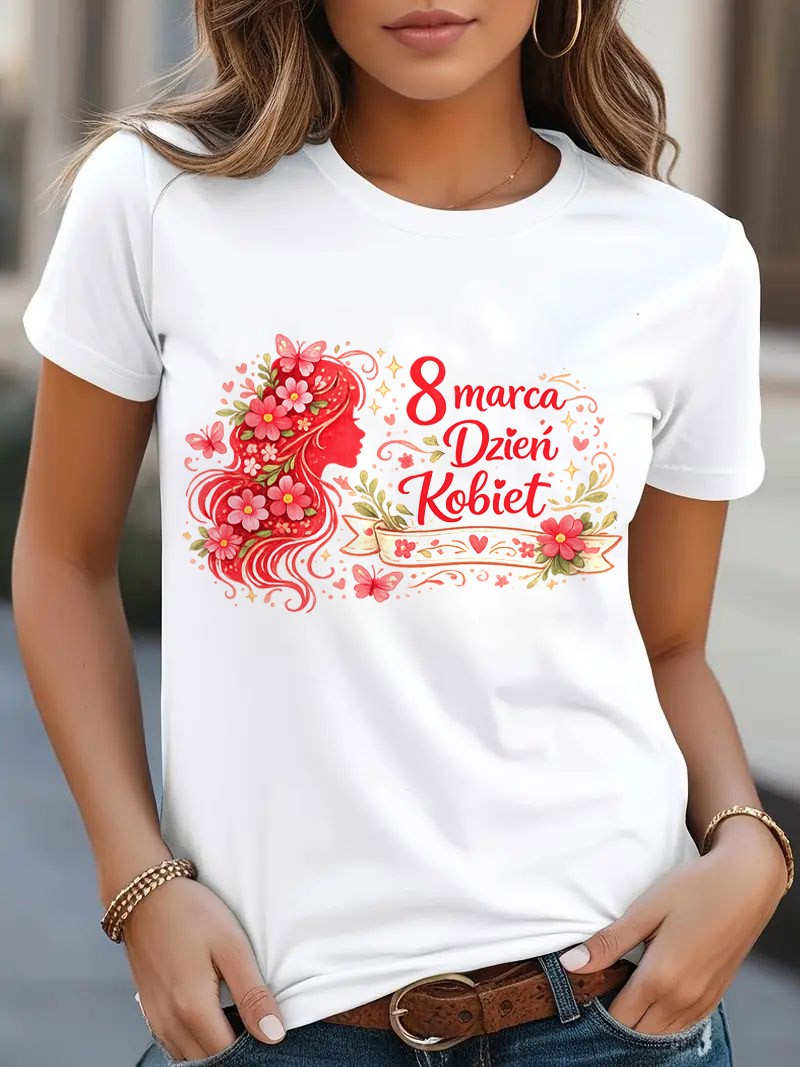
For this project, I was invited to design a special T-shirt collection dedicated to International Women’s Day (8 March) in Poland. Before starting the visual work, I received a rich set of inspirations, stories, and cultural context explaining what this day means in Poland — both historically and today.
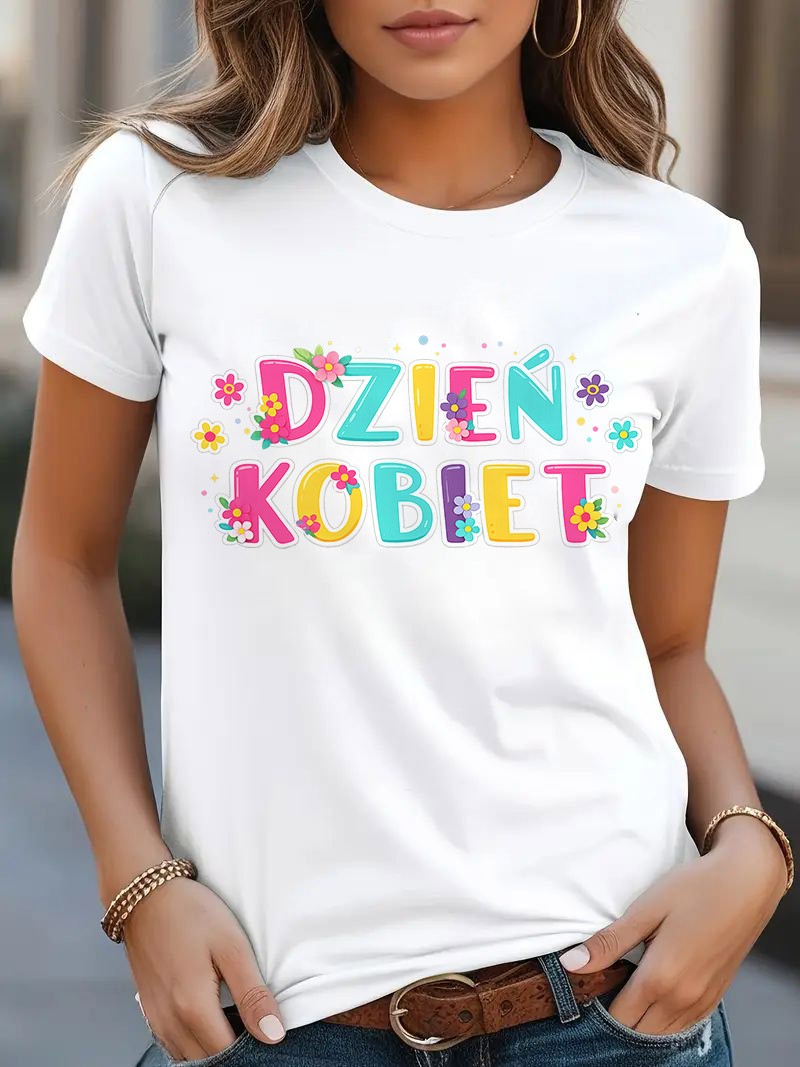
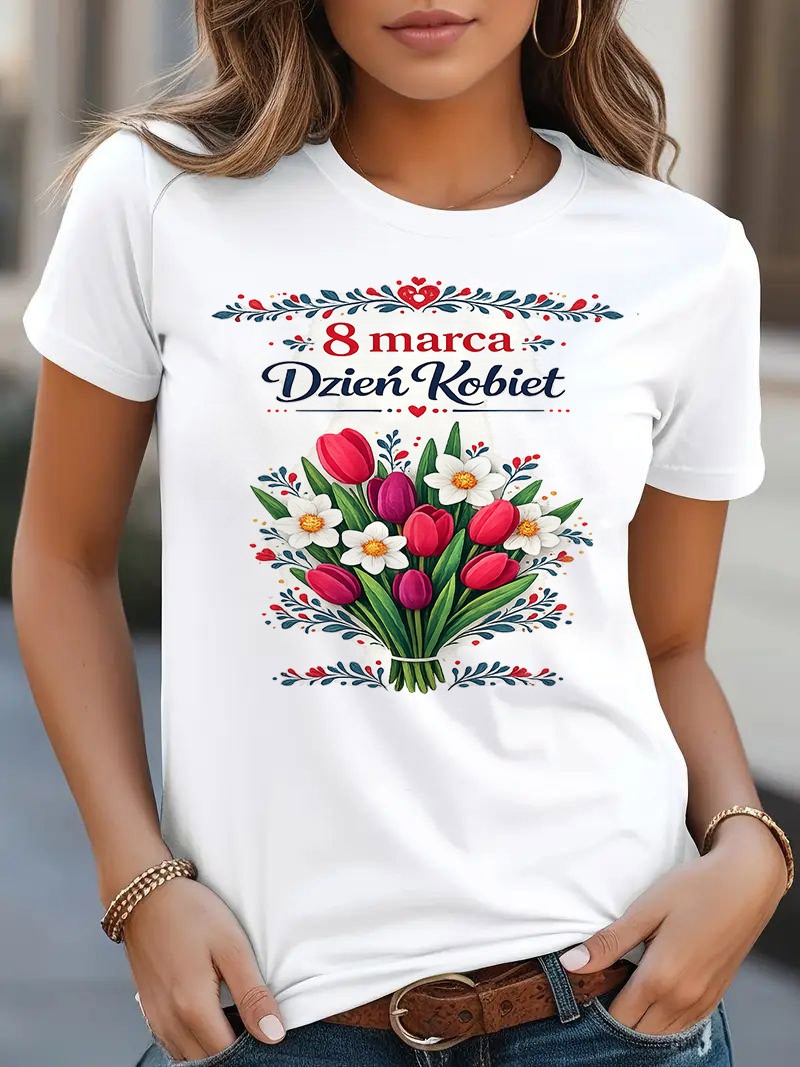

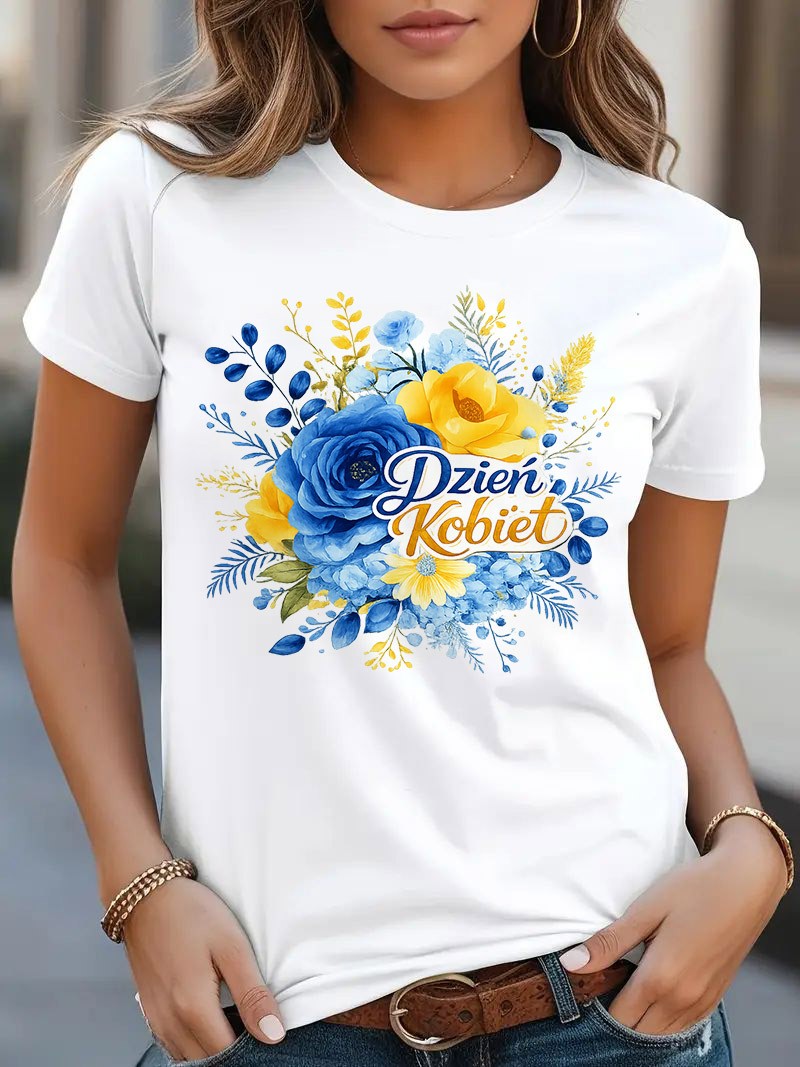
I was introduced to archival photographs from the PRL era, vintage posters, and old visual materials connected to Women’s Day celebrations. Alongside these historical references, I explored contemporary interpretations of the holiday, including flowers traditionally associated with the day — especially carnations, as well as broader elements of Polish folk culture.
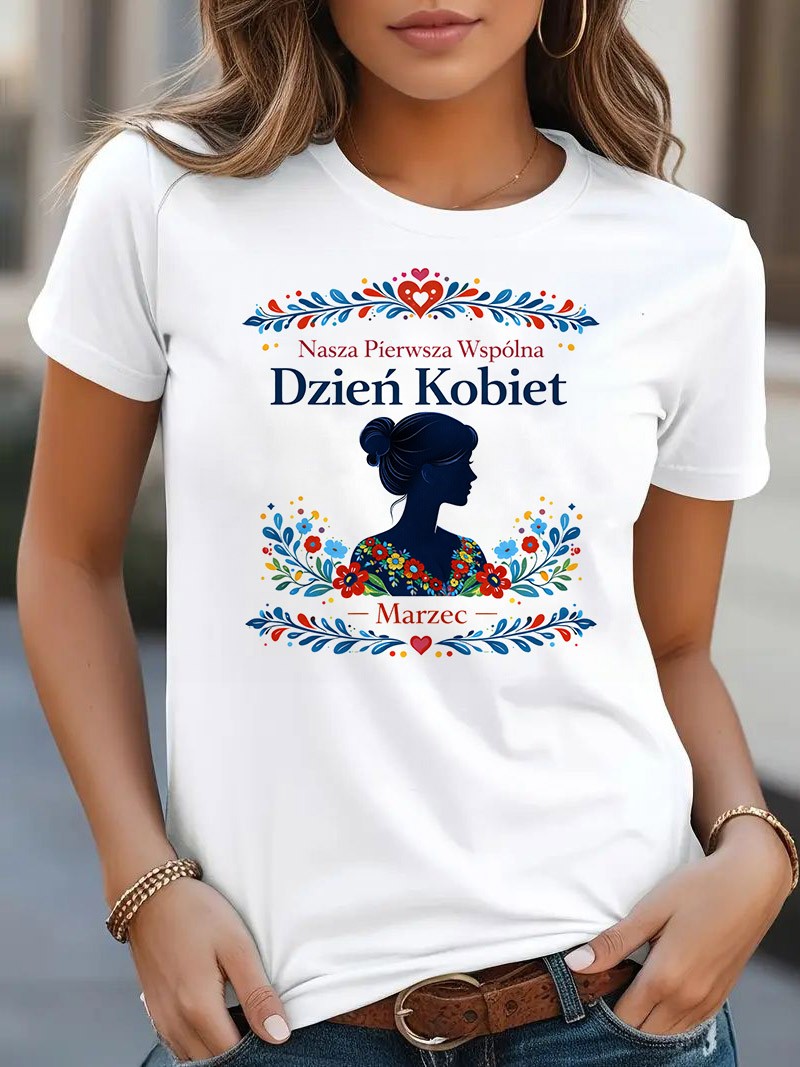
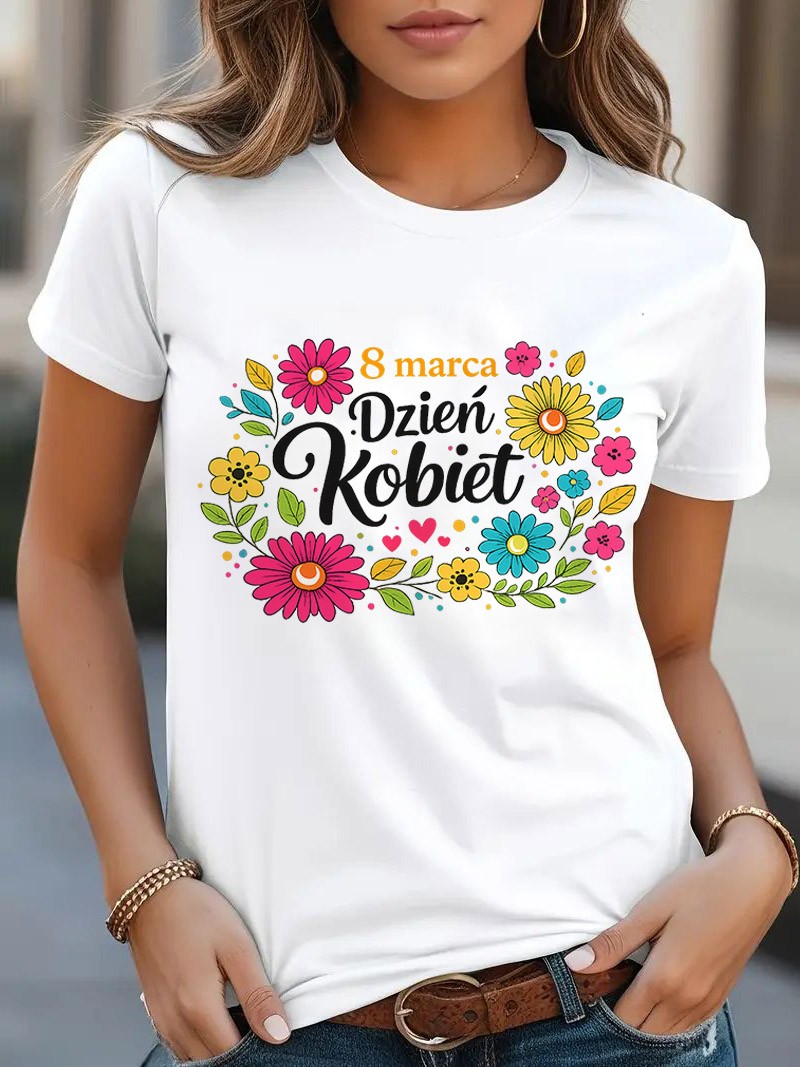
Among the inspirations were also motifs drawn from Polish folklore, such as floral ornaments, regional patterns, and references to traditional Kraków costumes. These elements helped me understand the emotional tone of the holiday: respectful, warm, symbolic, and deeply rooted in everyday gestures rather than grand declarations.
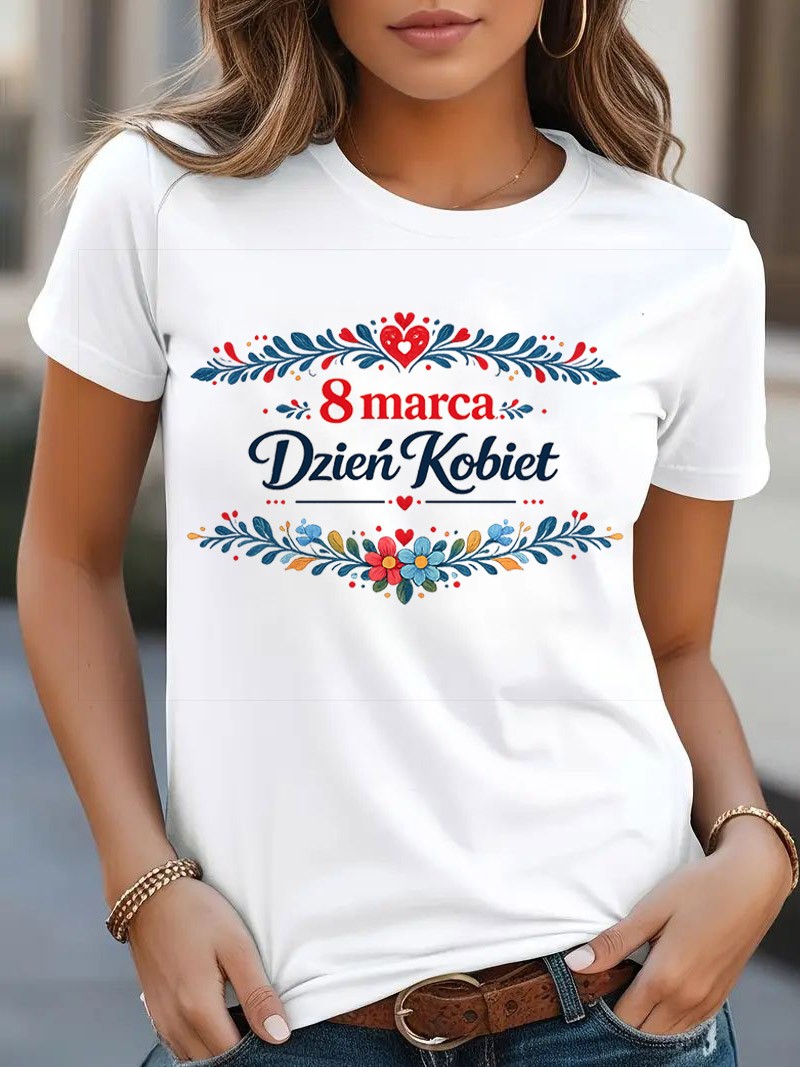
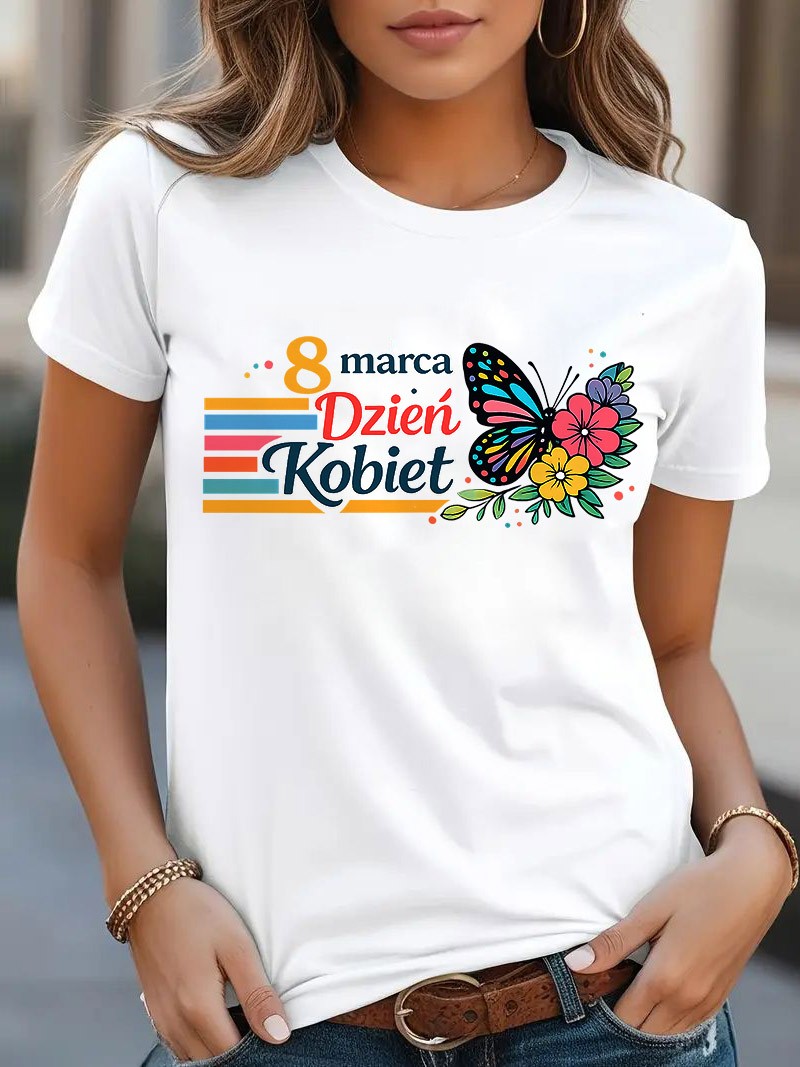
Based on this mix of history, cultural storytelling, and visual references, I designed a collection of 20 unique T-shirts. Each design interprets International Women’s Day in a slightly different way — from classic, elegant compositions to more playful and modern illustrations — while staying true to the spirit of the celebration.
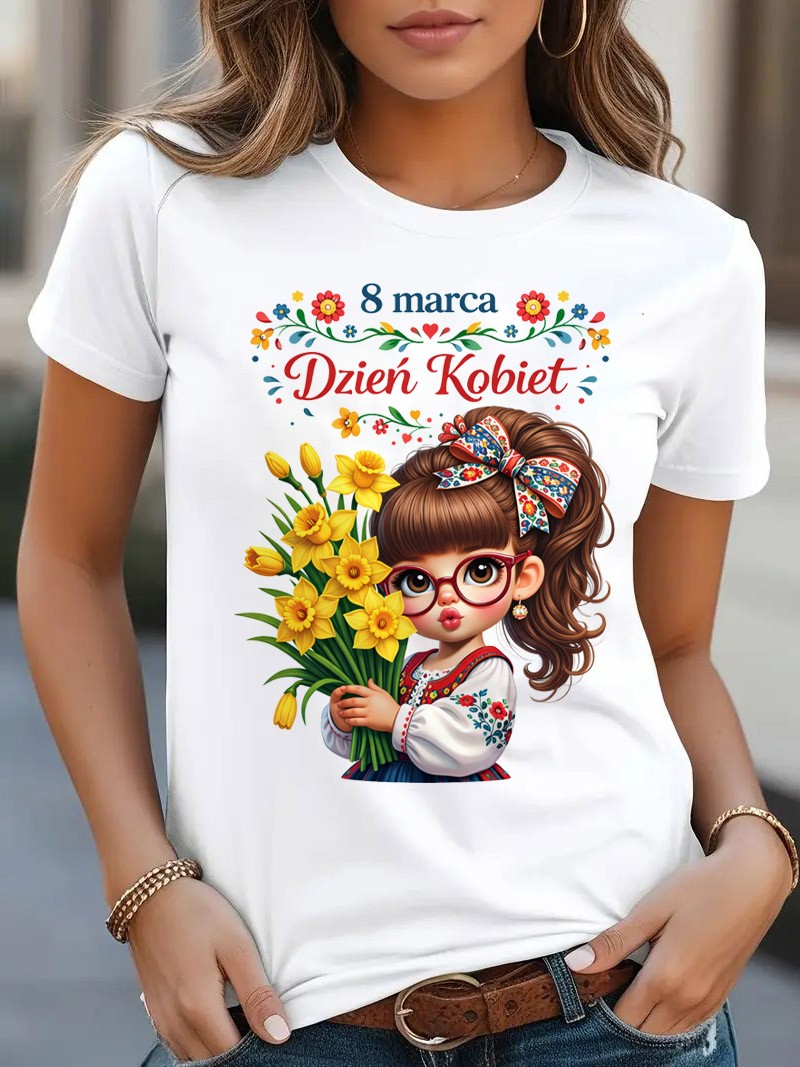
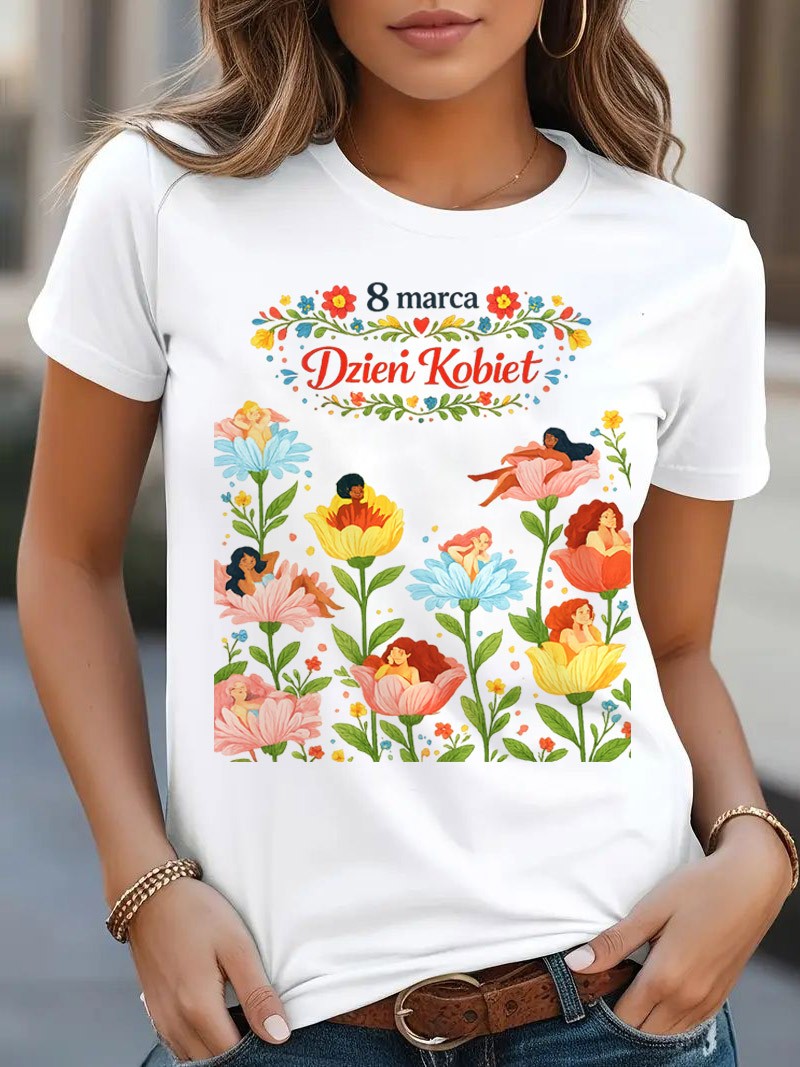
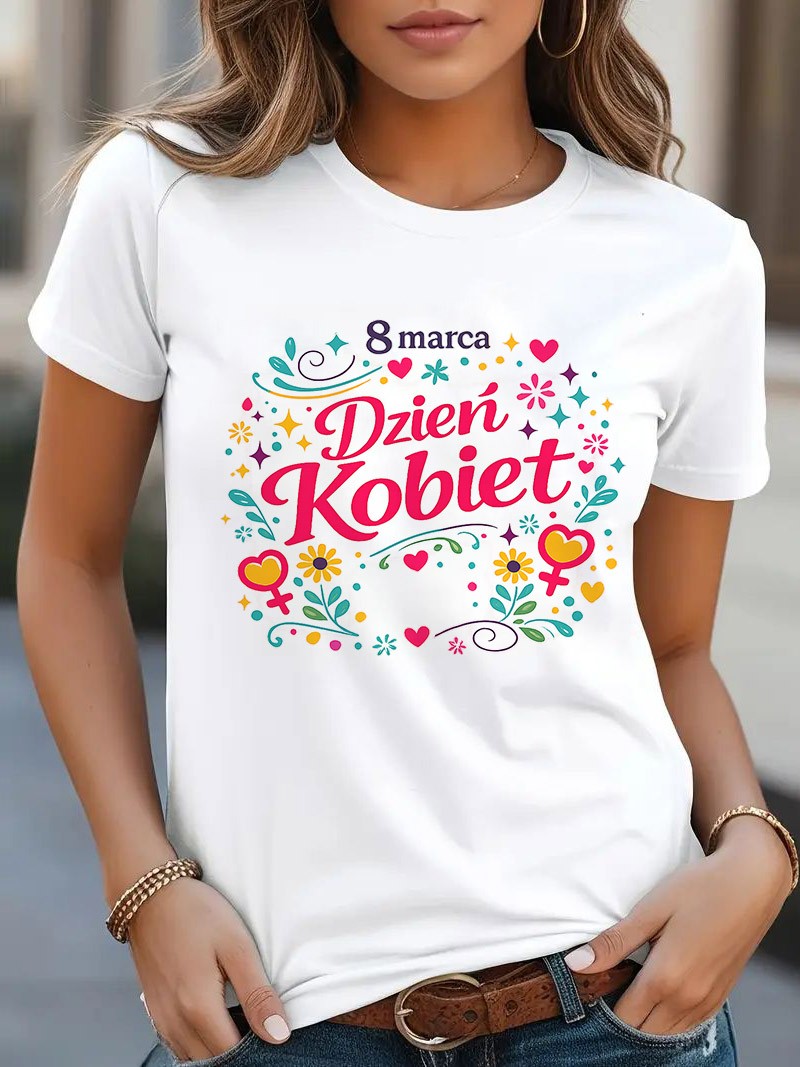
The goal of this collection was not only to create visually appealing designs, but also to translate a cultural narrative into wearable form — something that feels authentic, joyful, and meaningful.


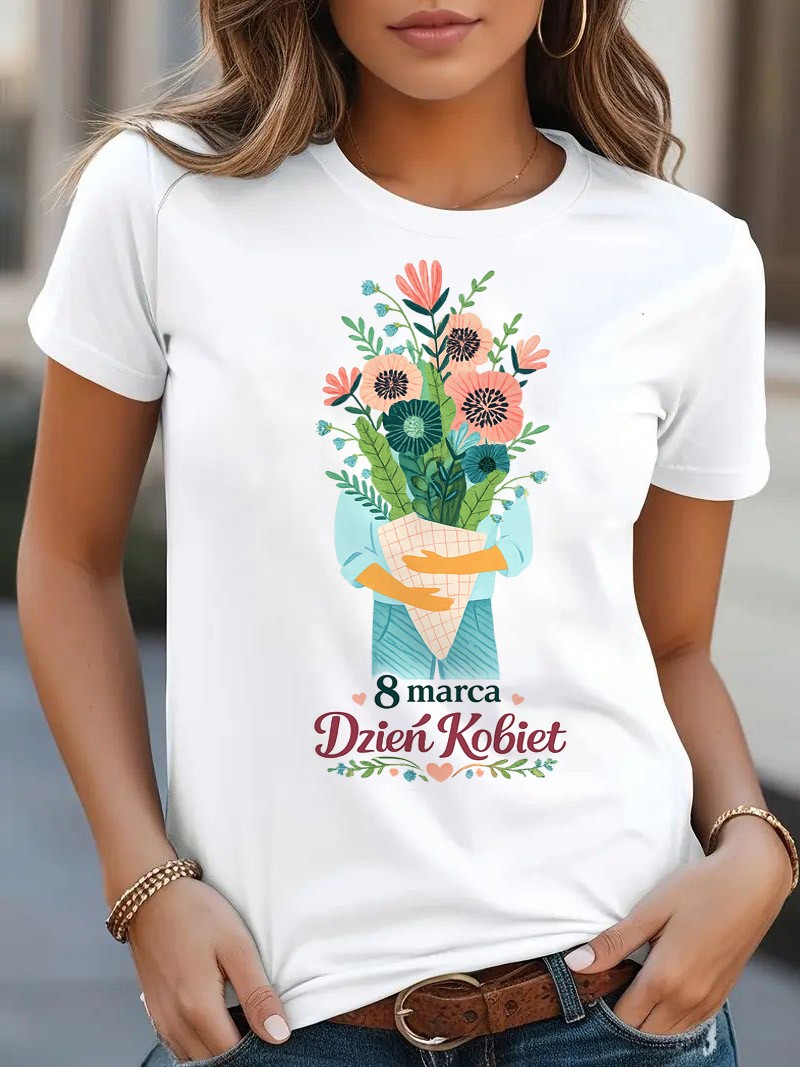
Additional designs are already in development, including humorous, culturally specific concepts such as “Copernicus Was a Woman” and “Skłodowska Was a Woman”. These ideas are rooted in Polish pop-culture references and wordplay, so they require a bit more time to refine and introduce properly.

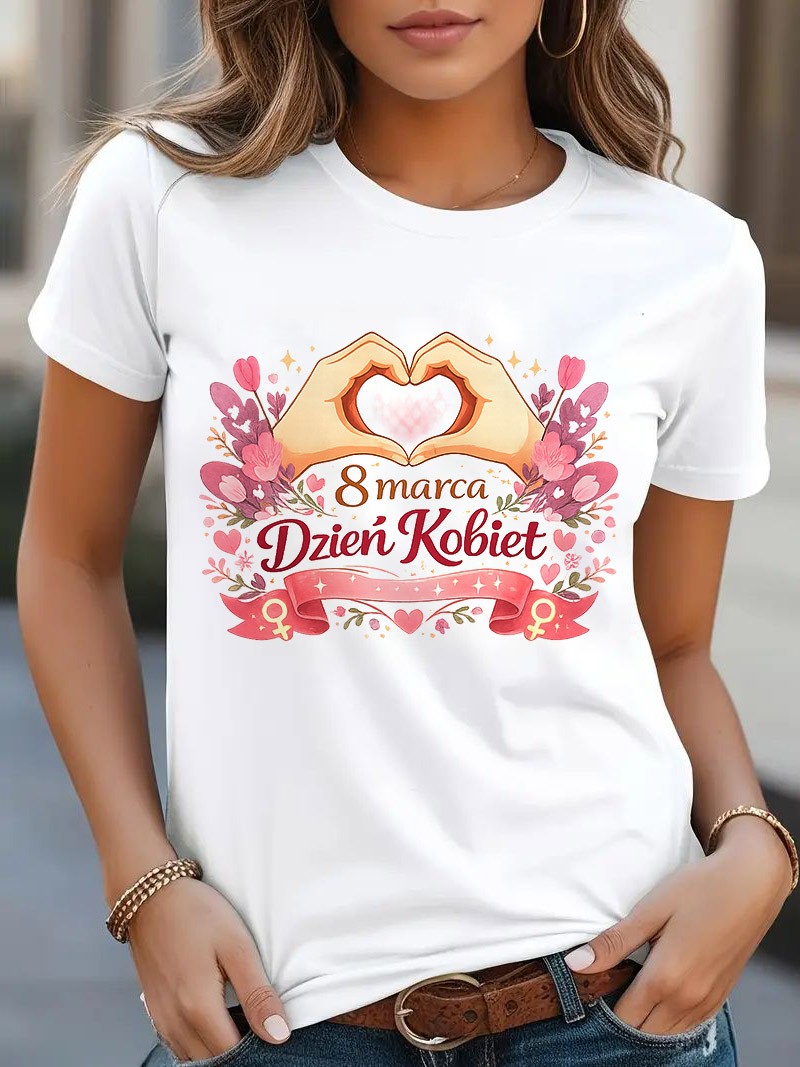
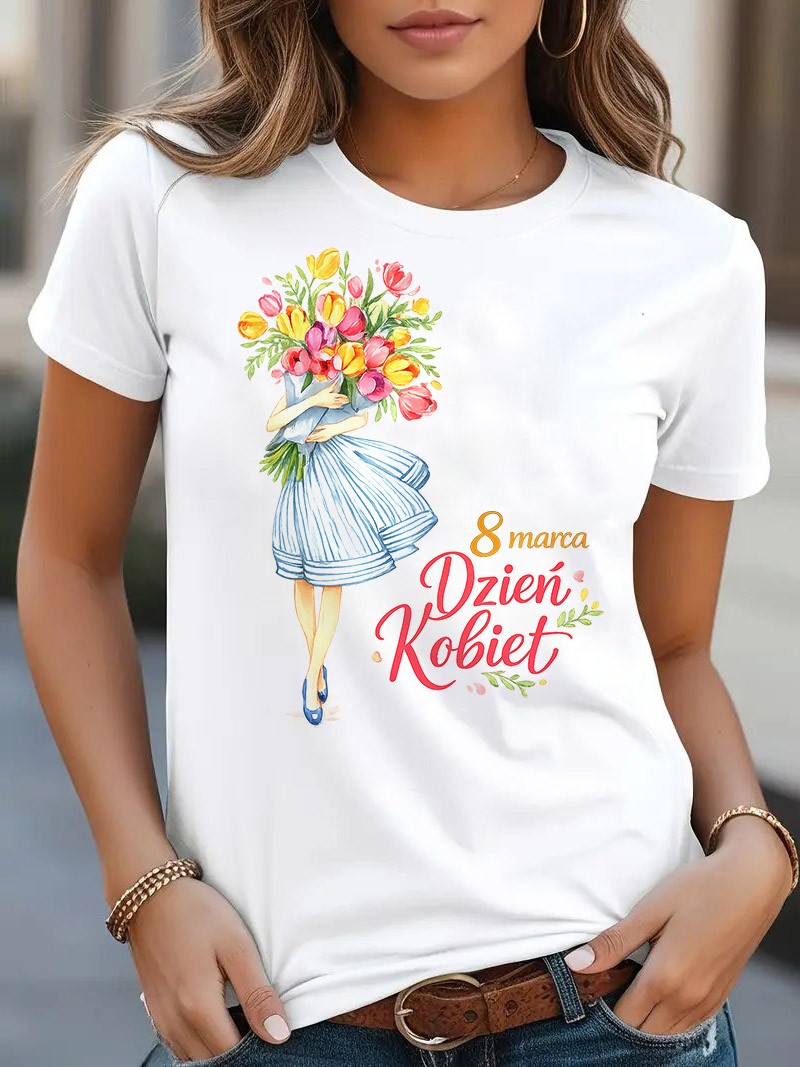
This project is a great example of how visual design can combine local culture, history, and modern aesthetics into a cohesive and commercially viable collection.
